
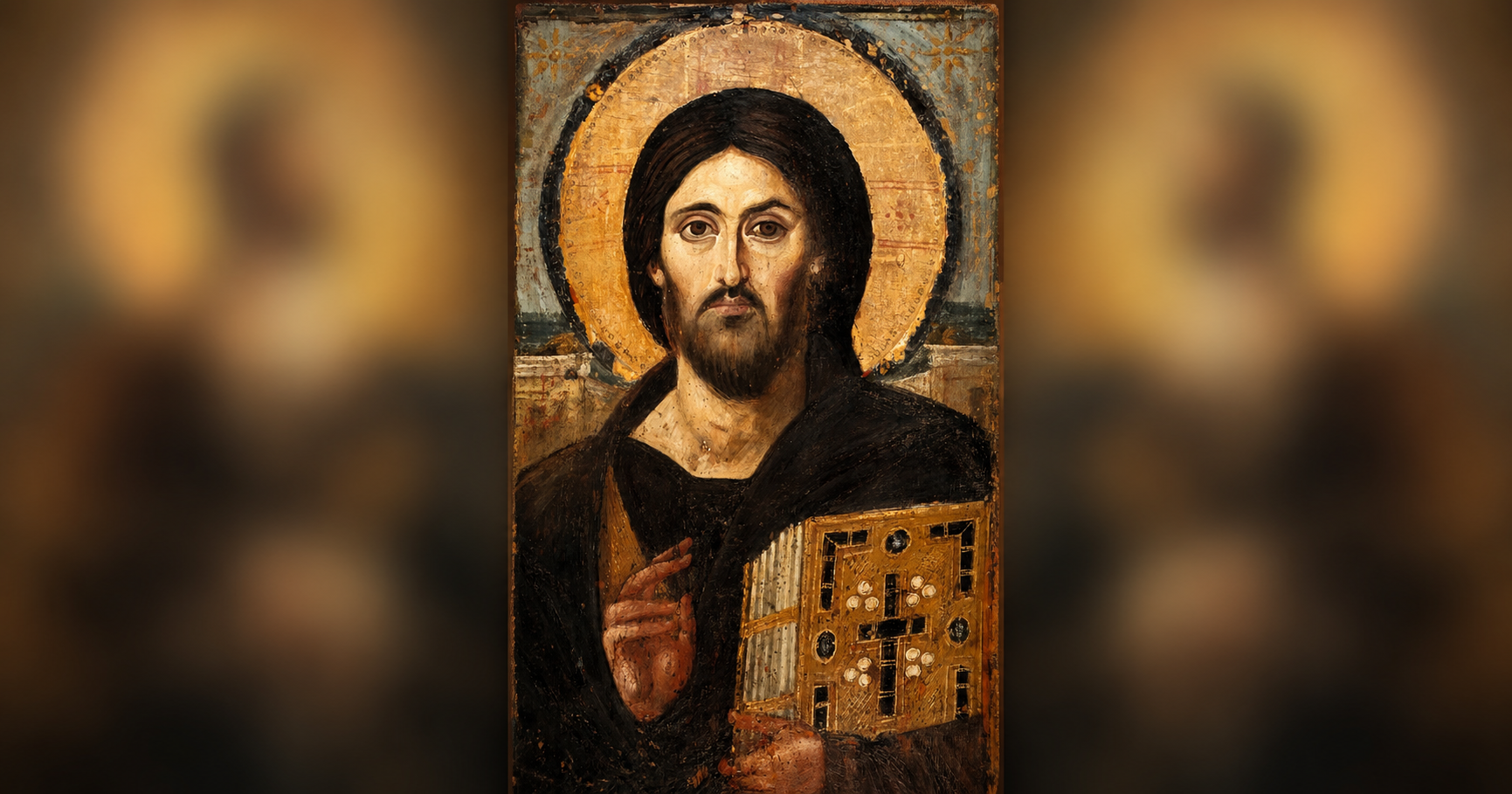
“Jesus Christ is the same yesterday and today and forever.”
— Hebrews 13:8 (ESV)
Most people never stop to ask why the year is 2026.
It seems obvious. It is simply the current year. But current according to whom? Every calendar tells a story. Every way of measuring time reveals what a civilization believes is important enough to remember.
The Romans once counted years from the legendary founding of Rome. Others counted by the reigns of kings and emperors. Some civilizations measured time from the creation of the world, while others anchored it to dynasties or great political events.
The Christian West chose something different.
In A.D. 525, a monk named Dionysius Exiguus was preparing tables to calculate the date of Easter. At the time, Christians often dated years from the reign of the Emperor Diocletian. It was an odd choice. Diocletian was remembered not for his virtue, but for launching one of the fiercest persecutions of Christians in Roman history.
Dionysius quietly made a different choice.
Rather than continue marking time from the reign of a persecutor, he began numbering the years from the coming of Jesus Christ. His calculation was probably off by several years. Modern historians generally believe Christ was born sometime around 6 to 4 B.C. Even so, the exact arithmetic mattered less than the declaration being made.
History would no longer revolve around Caesar.
It would revolve around Christ.
The change was not immediately adopted. It spread gradually through the writings of the Venerable Bede, through the administration of Charlemagne, and eventually across medieval Christendom. Centuries later, European exploration, commerce, scholarship, and colonization carried that calendar around the globe.
Today, even nations that reject Christianity still date treaties, business contracts, scientific papers, and international diplomacy from the birth of Jesus Christ.
There is a certain irony in that.
Many people insist Christianity has little influence on the modern world while unconsciously reminding themselves of Christ every time they sign a check, schedule a meeting, or glance at a calendar.
Of course, many institutions now prefer the terms “CE” (Common Era) and “BCE” (Before Common Era). The labels have changed, but the numbers have not. The year did not suddenly begin somewhere else. The reference point remains exactly the same. The world still counts its years from the life of Jesus Christ, even if some would rather not say His name.
Civilizations always reveal what they worship by what they choose to remember.
The French Revolution attempted to erase the Christian calendar altogether and replace it with a new revolutionary one. The Soviet Union experimented with new calendars as well. Neither lasted. You can legislate many things, but it is remarkably difficult to persuade an entire civilization to forget the foundation upon which its memory has been built.
Perhaps that is the larger lesson.
Calendars are not merely tools for measuring time. They are monuments. They proclaim that one event stands above all others as the hinge upon which history turns.
For nearly fifteen hundred years, the civilization we inherited has answered that question with remarkable clarity.
Not the birth of an empire.
Not the coronation of a king.
Not a revolution.
But Christ.
Whether the modern world acknowledges Him or not, it still numbers every passing year from His coming.
That is a difficult fact to erase and perhaps an even more difficult one to explain away.