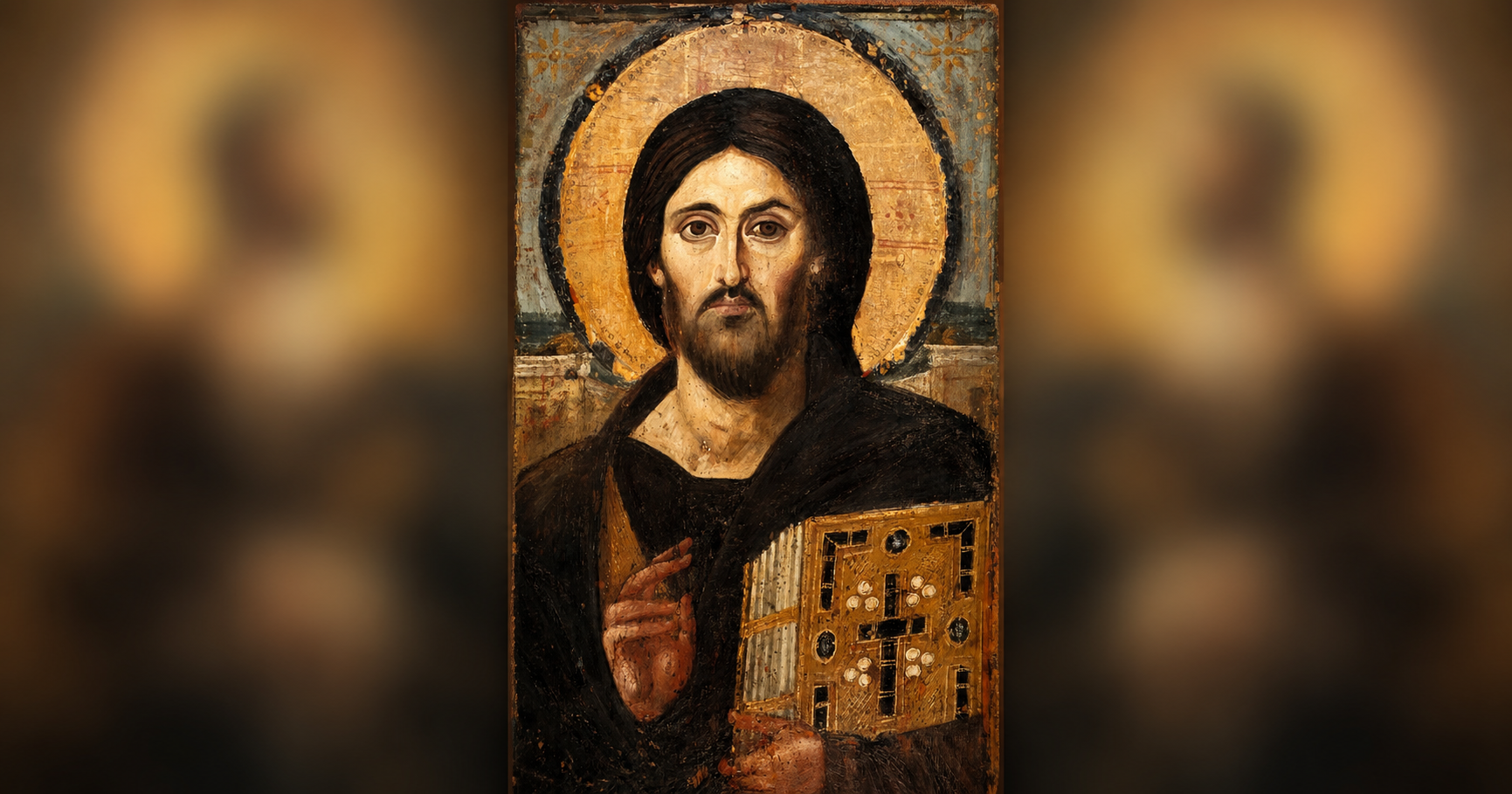
Tag: Jesus Christ

  • Why We Count the Years by Christ

    Why We Count the Years by Christ

    “Jesus Christ is the same yesterday and today and forever.”
    — Hebrews 13:8 (ESV)

    Most people never stop to ask why the year is 2026.

    It seems obvious. It is simply the current year. But current according to whom? Every calendar tells a story. Every way of measuring time reveals what a civilization believes is important enough to remember.

    The Romans once counted years from the legendary founding of Rome. Others counted by the reigns of kings and emperors. Some civilizations measured time from the creation of the world, while others anchored it to dynasties or great political events.

    The Christian West chose something different.

    In A.D. 525, a monk named Dionysius Exiguus was preparing tables to calculate the date of Easter. At the time, Christians often dated years from the reign of the Emperor Diocletian. It was an odd choice. Diocletian was remembered not for his virtue, but for launching one of the fiercest persecutions of Christians in Roman history.

    Dionysius quietly made a different choice.

    Rather than continue marking time from the reign of a persecutor, he began numbering the years from the coming of Jesus Christ. His calculation was probably off by several years. Modern historians generally believe Christ was born sometime around 6 to 4 B.C. Even so, the exact arithmetic mattered less than the declaration being made.

    History would no longer revolve around Caesar.

    It would revolve around Christ.

    The change was not immediately adopted. It spread gradually through the writings of the Venerable Bede, through the administration of Charlemagne, and eventually across medieval Christendom. Centuries later, European exploration, commerce, scholarship, and colonization carried that calendar around the globe.

    Today, even nations that reject Christianity still date treaties, business contracts, scientific papers, and international diplomacy from the birth of Jesus Christ.

    There is a certain irony in that.

    Many people insist Christianity has little influence on the modern world while unconsciously reminding themselves of Christ every time they sign a check, schedule a meeting, or glance at a calendar.

    Of course, many institutions now prefer the terms “CE” (Common Era) and “BCE” (Before Common Era). The labels have changed, but the numbers have not. The year did not suddenly begin somewhere else. The reference point remains exactly the same. The world still counts its years from the life of Jesus Christ, even if some would rather not say His name.

    Civilizations always reveal what they worship by what they choose to remember.

    The French Revolution attempted to erase the Christian calendar altogether and replace it with a new revolutionary one. The Soviet Union experimented with new calendars as well. Neither lasted. You can legislate many things, but it is remarkably difficult to persuade an entire civilization to forget the foundation upon which its memory has been built.

    Perhaps that is the larger lesson.

    Calendars are not merely tools for measuring time. They are monuments. They proclaim that one event stands above all others as the hinge upon which history turns.

    For nearly fifteen hundred years, the civilization we inherited has answered that question with remarkable clarity.

    Not the birth of an empire.

    Not the coronation of a king.

    Not a revolution.

    But Christ.

    Whether the modern world acknowledges Him or not, it still numbers every passing year from His coming.

    That is a difficult fact to erase and perhaps an even more difficult one to explain away.

  • The Madonna of the Lilies

    The Virgin of the Lilies (FrenchLa Vierge au lys), also known as The Madonna of the Lilies, is an 1899 oil painting by the French artist William-Adolphe Bouguereau, now owned by a private owner.

    William-Adolphe Bouguereau 30 November 1825 – 19 August 1905) was a French academic painter. In his realistic genre paintings, he used mythological themes, making modern interpretations of classical subjects, with an emphasis on the female human body. During his life, he enjoyed significant popularity in France and the United States, was given numerous official honors, and received top prices for his work. As the quintessential salon painter of his generation, he was reviled by the Impressionist avant-garde. By the early twentieth century, Bouguereau and his art fell out of favor with the public, due in part to changing tastes. In the 1980s, a revival of interest in figure painting led to a rediscovery of Bouguereau and his work. He finished 822 known paintings, but the whereabouts of many are still unknown.

  • The Storm on the Sea of Galilee

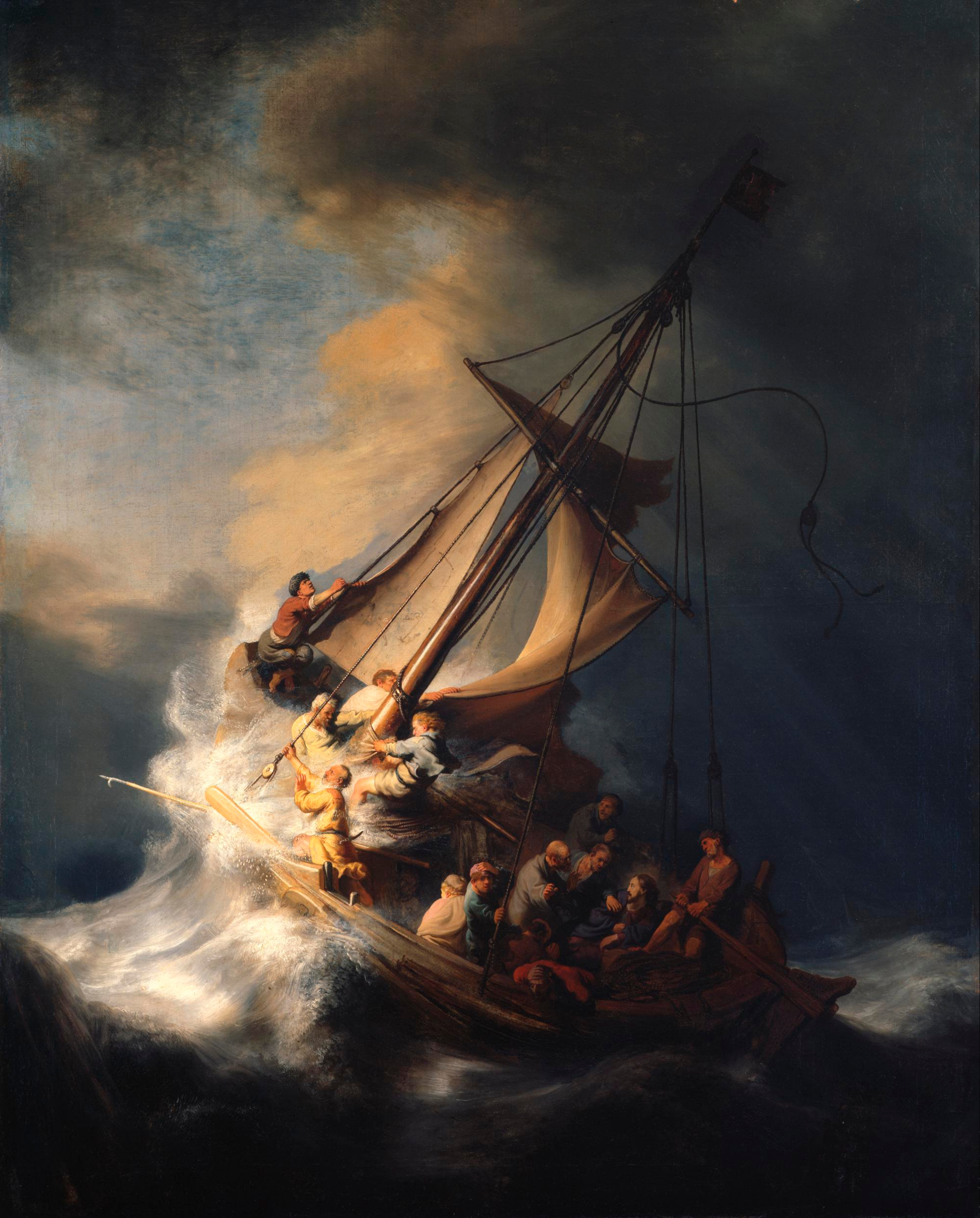
    The Storm on the Sea of Galilee is a 1633 oil-on-canvas painting by the Dutch Golden Age painter Rembrandt van Rijn. It was previously in the Isabella Stewart Gardner Museum in Boston but was stolen in 1990 and remains missing. The painting depicts the biblical story of Jesus calming the storm on the Sea of Galilee, specifically as it is described in the fourth chapter of the Gospel of Mark. It is Rembrandt’s only seascape.

    The painting, in vertical format, shows a close-up view of Christ’s disciples struggling frantically against the heavy storm to regain control of their fishing boat. A huge wave beats the bow and rips the sail. One of the disciples is seen vomiting over the side. Another one, looking directly out at the viewer, is a self-portrait of the artist. Only Christ, depicted on the right, remains calm.

    The close-up treatment of the subject and the overall composition go back to the print made by Adriaen Collaert after a design by the Flemish artist Maerten de Vos. That print depicting The storm on the sea of Galilei was plate 8 in the 12-part Vita, passio et Resvrrectio Iesv Christ which was published by Jan and Raphael Sadeler in Antwerp in 1583. Rembrandt’s painting follows the portrait format in his composition and also depicts the boat in a forward tilting position. Like in the print, most of the space of the work is taken up by the main motif, which is the disciples on the boat struggling against the elements.

  • Pietà (Michelangelo)

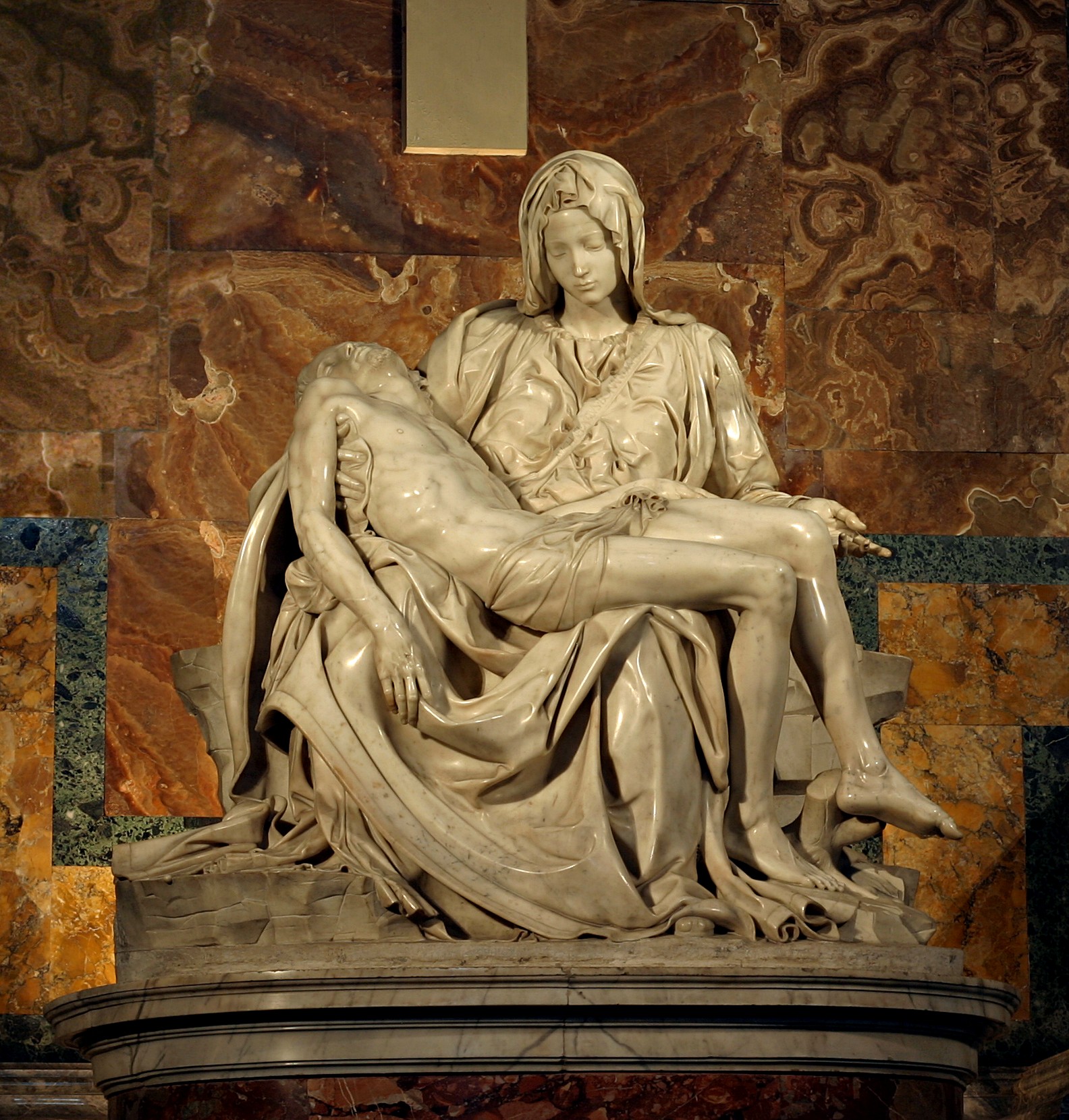
    The Pietà is a work of Renaissance sculpture by Michelangelo Buonarroti, housed in St. Peter’s Basilica, Vatican City. It is the first of a number of works of the same theme by the artist. The statue was commissioned for the French Cardinal Jean de Bilhères, who was a representative in Rome. The sculpture, in Carrara marble, was made for the cardinal’s funeral monument, but was moved to its current location, the first chapel on the north side of the entrance of the basilica, in the 18th century. It is the only piece Michelangelo ever signed. It is also the only known sculpture created by a prominent name from the Renaissance era that was installed in St. Peter’s Basilica that was accepted by the Chapter of St. Peter. This famous work of art depicts the body of Jesus on the lap of his mother Mary after the Crucifixion.

    https://en.wikipedia.org/wiki/Piet%C3%A0_(Michelangelo)
  • Bust of Jesus Christ

    Bust of Jesus Christ

    Bust of Jesus Christ by Gianlorenzo Bernini.

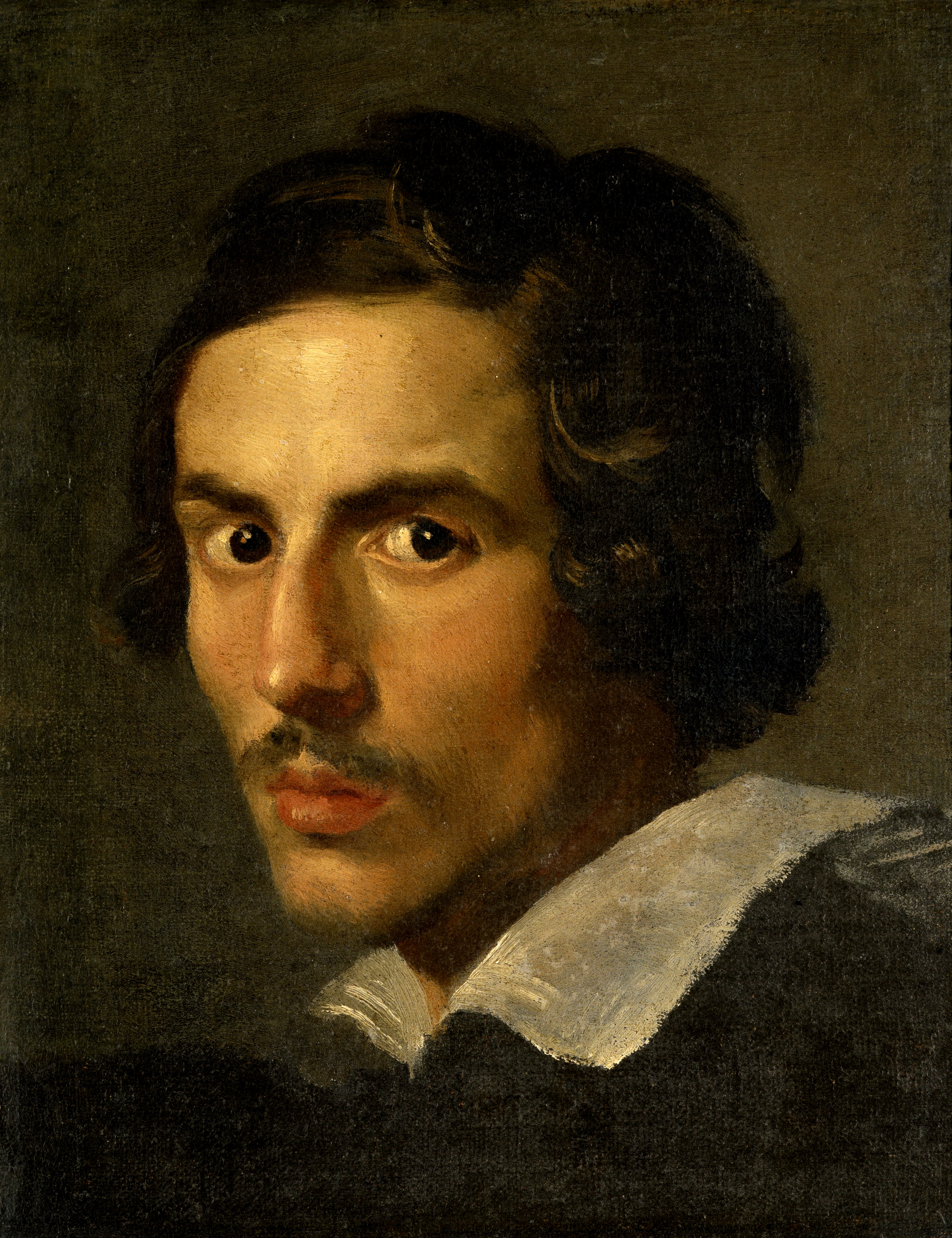
    Gian Lorenzo Bernini ( 7 December 1598 – 28 November 1680) was an Italian sculptor and architect. A major figure in the world of architecture, he was the leading sculptor of his age, credited with creating the Baroque style of sculpture. As one scholar has commented, ‘What Shakespeare is to drama, Bernini may be to sculpture: the first pan-European sculptor whose name is instantaneously identifiable with a particular manner and vision, and whose influence was inordinately powerful…’ via Wikipedia

    Bust_of_Jesus_Christ_by_Gianlorenzo_Bernini