-
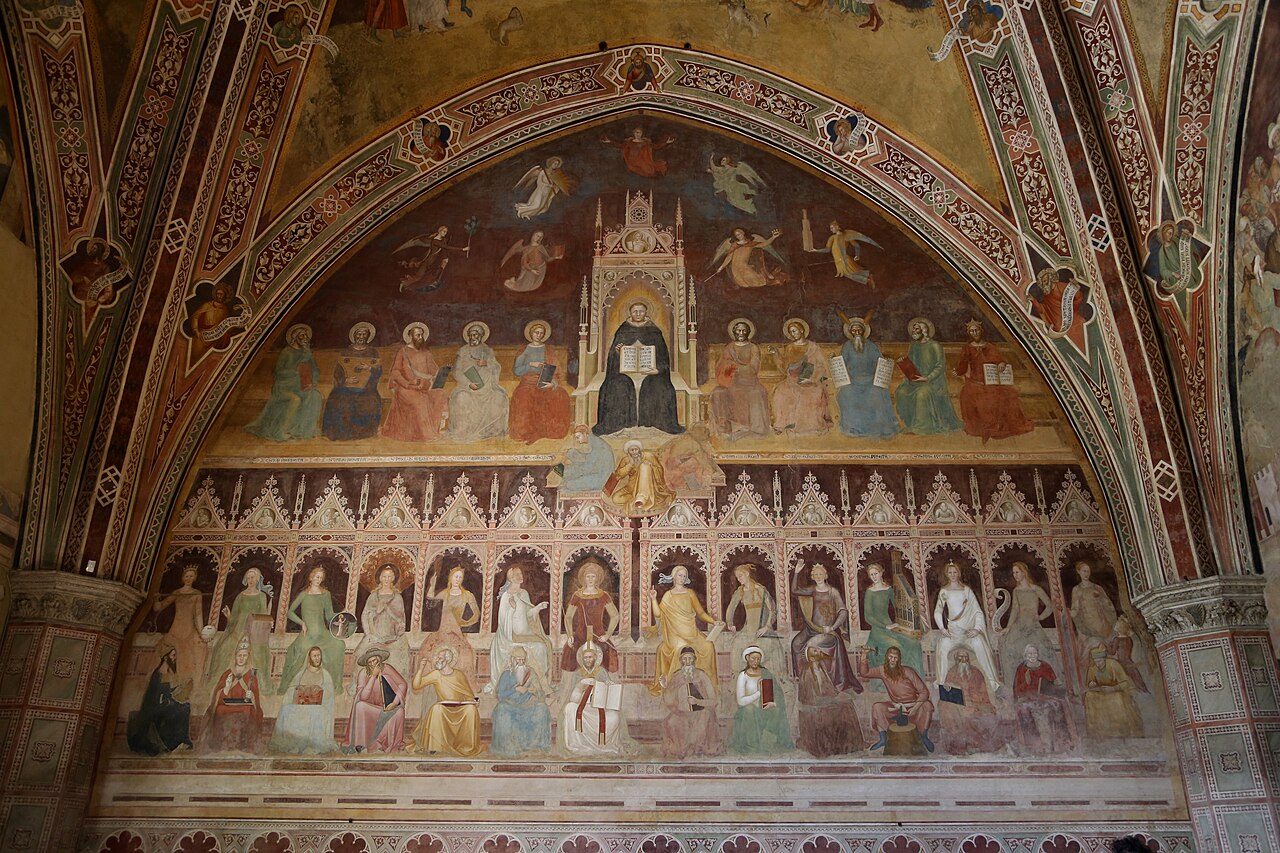
The Fathers and the Schoolmen
The Church Fathers and the Schoolmen on one shelf: Eusebius and Athanasius, Augustine against Pelagius, Anselm and Aquinas, Bernard and à Kempis.
-

Eighty-Seven Questions
“You are 82 percent conservative” is precise, and it is empty. What happened when I let an AI interview me about politics one question at a time, and the principle it found underneath the answers.
-
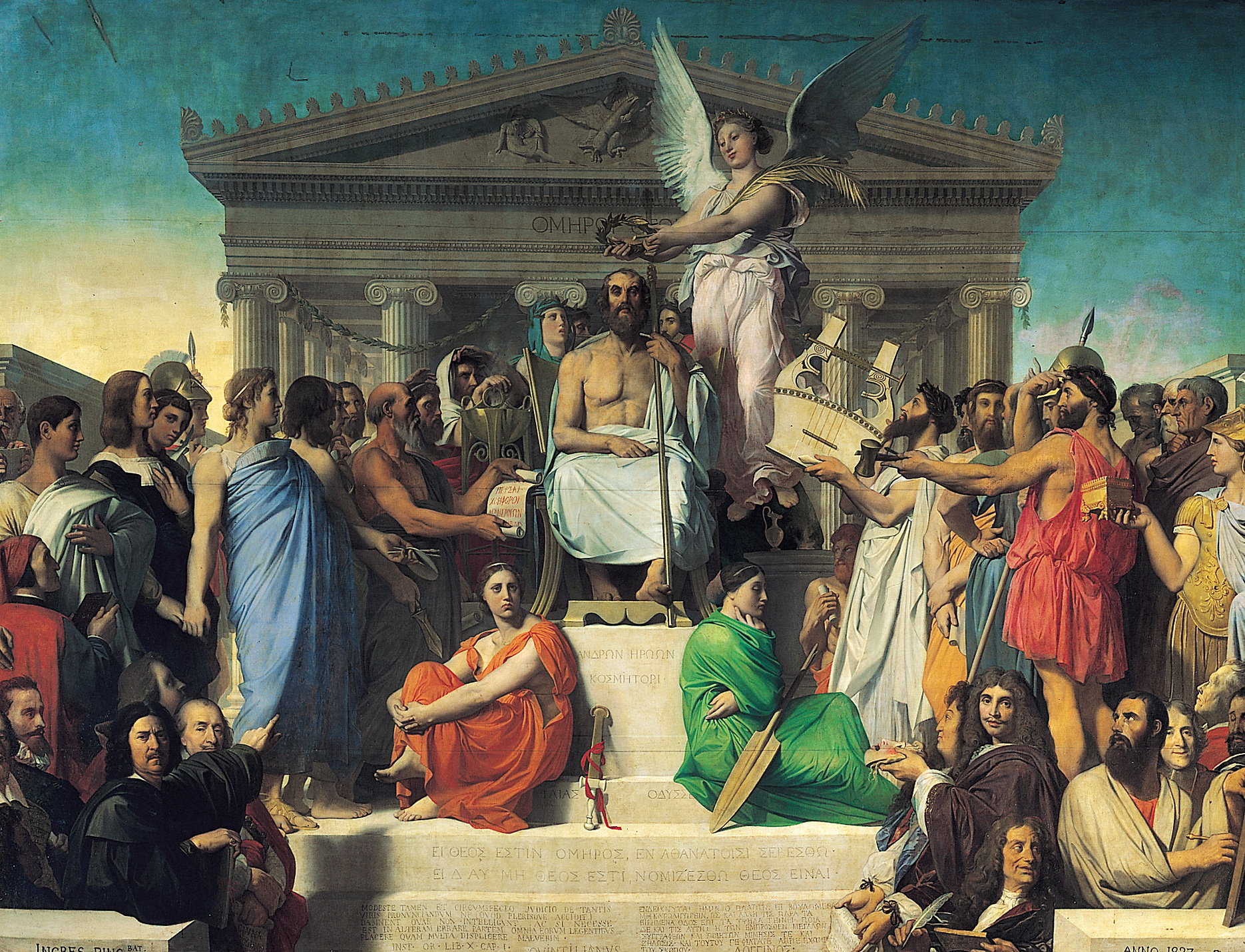
The Unwithering Fame of the Greeks
Europe’s inheritance was first written down in Greece. Seventeen books by and about the Greeks: poets, tragedians, historians, and philosophers.
-
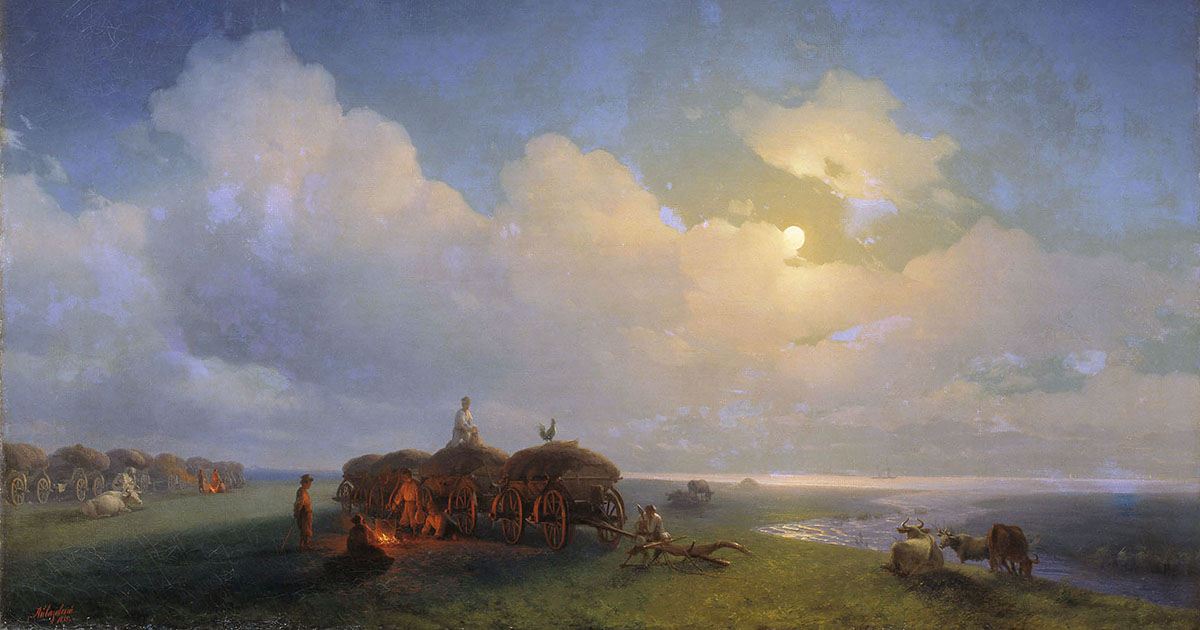
The Men Who Came Out of the Steppe
Most of Europe’s languages descend from one spoken on the steppe some five thousand years ago. Fifteen books on who spoke it, how we know, and what it left behind.
-

Why Build a Library
A collection becomes a library when it can answer a question you have not yet thought to ask. The first of twenty posts on building a real one.
-

The Course I Would Teach
I do not teach and I am never going to. But I have spent a fair amount of time imagining what I would put on the syllabus if somebody handed me a classroom and a year.
-

Concede Nothing: Against Paromologia and the Ritual Disclaimer
There is a rhetorical technique called paromologia. In classical rhetoric, paromologia is the deliberate concession of a point to an opponent in order to strengthen the larger argument one intends to make. The speaker grants something to the other side, establishes himself as fair-minded or reasonable, and then pivots to the position he actually wants…
-
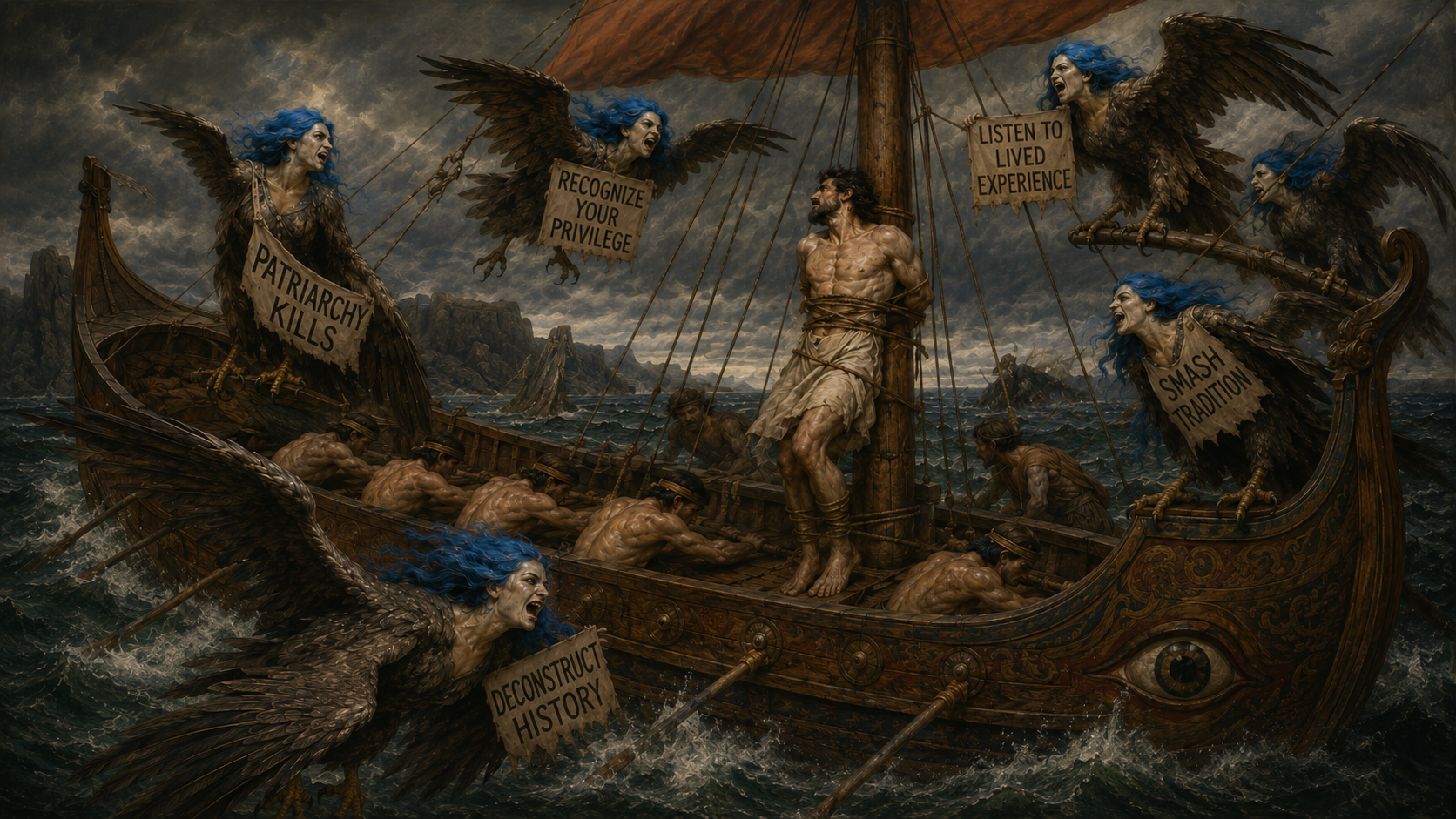
Homer, Nolan, and the Tyranny of the “Neutral” Modern Judgment: An Experiment in AI Guardrails
The Spark A viral tweet claimed that Christopher Nolan justified changing the ending of his Odyssey film because Homer’s original ending was “so grim and so misogynistic” that it needed altering for modern audiences. I wanted to know what, exactly, in Homer’s text earned that label. So I put the question to ChatGPT. The First…
-
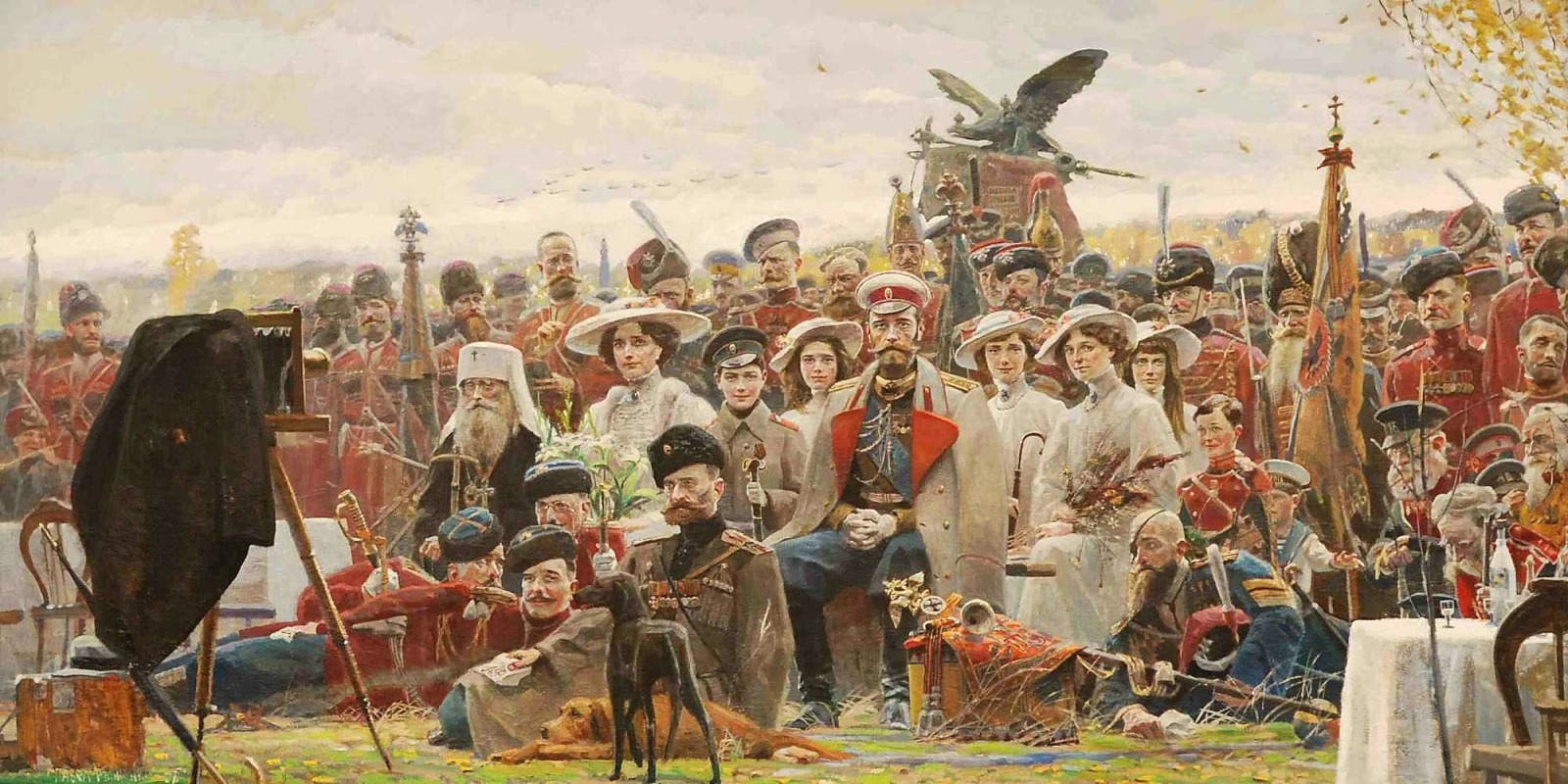
The House of Special Purpose
A little past midnight, in the small hours of 17 July 1918, Yakov Yurovsky woke the family in the merchant’s house at Ekaterinburg and told them they were being moved for their safety. They dressed. They gathered their few things. Nicholas carried his son down the stairs because the boy could not walk. In a…
-
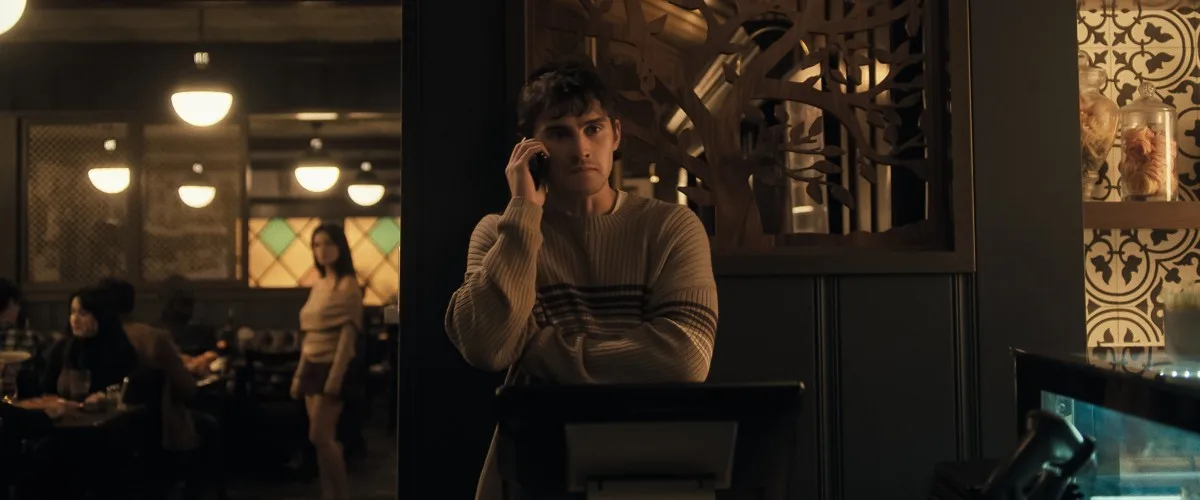
The Wages of a Wish: Moral Disorder in Obsession
Needless to say, spoilers. The first thing that struck me was the name. Our protagonist is called Bear, short for Baron, and no name in the film is more ironic. A baron is a lord, a man with dominion; a bear is a creature of strength. The young man who carries both names has neither.…