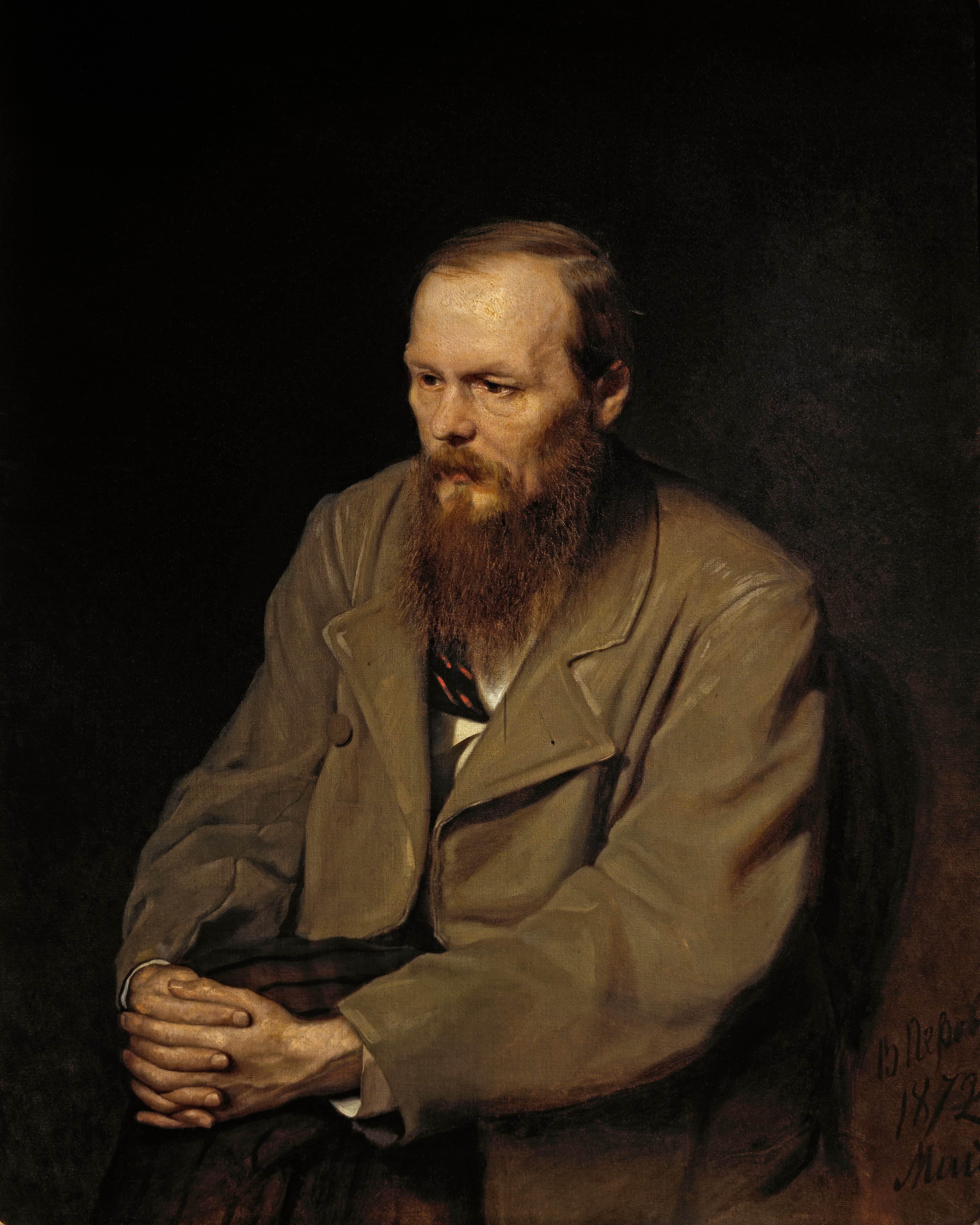
“One day Dostoevsky threw out the enigmatic remark: “Beauty will save the world”. What sort of a statement is that? For a long time I considered it mere words. How could that be possible? When in bloodthirsty history did beauty ever save anyone from anything? Ennobled, uplifted, yes – but whom has it saved?
There is, however, a certain peculiarity in the essence of beauty, a peculiarity in the status of art: namely, the convincingness of a true work of art is completely irrefutable and it forces even an opposing heart to surrender. It is possible to compose an outwardly smooth and elegant political speech, a headstrong article, a social program, or a philosophical system on the basis of both a mistake and a lie. What is hidden, what distorted, will not immediately become obvious.
Then a contradictory speech, article, program, a differently constructed philosophy rallies in opposition – and all just as elegant and smooth, and once again it works. Which is why such things are both trusted and mistrusted.
In vain to reiterate what does not reach the heart.
But a work of art bears within itself its own verification: conceptions which are devised or stretched do not stand being portrayed in images, they all come crashing down, appear sickly and pale, convince no one. But those works of art which have scooped up the truth and presented it to us as a living force – they take hold of us, compel us, and nobody ever, not even in ages to come, will appear to refute them.
So perhaps that ancient trinity of Truth, Goodness and Beauty is not simply an empty, faded formula as we thought in the days of our self-confident, materialistic youth? If the tops of these three trees converge, as the scholars maintained, but the too blatant, too direct stems of Truth and Goodness are crushed, cut down, not allowed through – then perhaps the fantastic, unpredictable, unexpected stems of Beauty will push through and soar to that very same place, and in so doing will fulfil the work of all three?
In that case Dostoevsky’s remark, “Beauty will save the world”, was not a careless phrase but a prophecy? After all he was granted to see much, a man of fantastic illumination.
And in that case art, literature might really be able to help the world today?”
— Aleksandr Solzhenitsyn (Nobel Lecture)